Leave Your Message

Title*

First Name*

Last Name*

Phone*

country*

Message*

Customized Request

What Are the Best Suit Accessories for Men?

Choosing the right suit accessories can transform a formal outfit from merely acceptable to quietly memorable. For men, details such as a silk tie, leather belt, polished shoes, pocket square, watch, and cufflinks create visual balance. However, more accessories do not always mean better style. Sometimes, one excellent detail is enough.

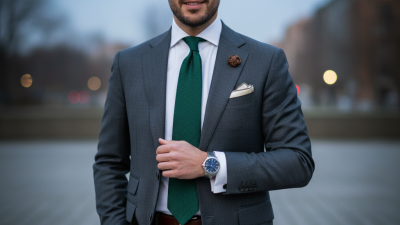
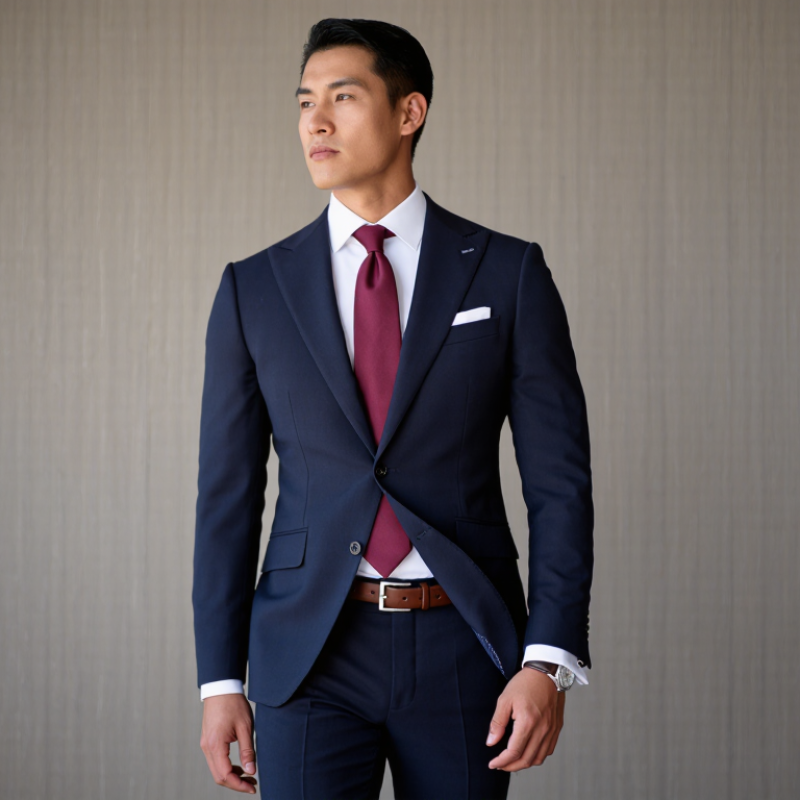
Menswear designer Tom Ford has said, “Dressing well is a form of good manners.” This idea remains useful when evaluating Suit Accessories Men. Accessories should respect the occasion, fit the suit’s structure, and reflect the wearer’s personality. A navy suit may welcome a burgundy tie and brown leather shoes. A charcoal suit can look sharper with a white pocket square and restrained silver watch. The goal is coordination, not decoration.

Small choices matter. A tie bar should not extend beyond the tie’s width. A belt should closely match the shoes. A pocket square should complement the tie, rather than copy it exactly. These practical rules come from observing how clothing performs in offices, weddings, interviews, and evening events. Still, personal style is not a fixed formula. I have seen technically correct combinations feel lifeless, while a slightly imperfect choice gave an outfit character.

That tension deserves attention. Good accessories support confidence, comfort, and credibility. Poor choices distract before the wearer speaks. This guide examines the best Suit Accessories Men can use, explaining materials, proportions, colors, and appropriate settings. It also questions common style advice, because even polished rules can fail in real life.

What Are the Best Suit Accessories for Men?

Essential Suit Accessories Every Man Should Know

Essential Suit Accessories Every Man Should Know

A well-fitted suit needs carefully chosen accessories, not a crowded display. Start with a silk tie in a restrained pattern, matched to the suit’s formality. A pocket square adds personality, but it should not perfectly copy the tie. Fold it neatly, then leave one small edge visible. Leather shoes and a belt should share a similar color and level of polish. This simple detail often separates a considered outfit from a hurried one. A slim watch can support the look, while oversized designs may distract from the tailoring.

Tips: Match metals consistently. Silver cufflinks suit a cooler palette, while warm metals work well with brown shoes. Choose socks that cover the ankle when sitting. Test the complete outfit under natural light before leaving home. I still find pocket squares difficult; a simpler fold usually looks more confident. A tie bar should sit between the third and fourth shirt buttons, never near the collar.

Accessories should reflect the occasion and the wearer’s comfort. Cufflinks belong with shirts designed for them, not every formal shirt. A tie bar is useful in windy settings, but it can look unnecessary indoors. For business meetings, quiet colors and clean textures communicate reliability. At weddings, a subtle lapel pin or textured pocket square can add warmth. Avoid stacking too many details. One memorable accent is usually enough. The final check matters: straighten the tie, remove loose threads, and inspect the shoes. Small oversights remain visible.
How to Choose a Tie, Pocket Square, and Dress Shirt

A well-chosen suit accessory should support your face, not compete with it. Start with the dress shirt. A crisp white shirt offers the clearest foundation for business or formal events. Pale blue feels softer and works well with navy or charcoal suits. The collar should sit comfortably around your neck, with enough room for one or two fingers. Your cuffs should extend slightly beyond the jacket sleeves. Small details matter.

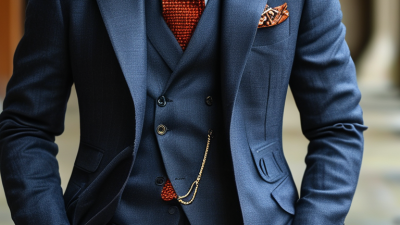
Choose a tie that balances your suit’s scale. Its width should look similar to your jacket lapels. Silk gives a polished appearance, while wool or knitted textures create a relaxed impression. Keep patterns controlled. A striped shirt usually needs a simpler tie. Your pocket square should complement the outfit, not copy the tie exactly. Try a white linen square with a colored tie. A restrained fold often looks more confident than an elaborate shape.

Tips: Check the shirt collar before leaving home. Tie the knot firmly, but avoid squeezing your neck. Let the pocket square show about one inch. I once matched every accessory too closely, and the outfit looked flat. A little contrast usually adds life. Stand near a window and inspect the colors in natural light. Artificial lighting can hide awkward combinations. Comfort matters too; an impressive outfit becomes distracting when the collar feels tight or the tie hangs unevenly.

Matching Shoes, Belts, and Socks with a Suit

A well-fitted suit can lose its polish when the shoes, belt, and socks seem chosen separately. In my experience dressing clients, the most reliable approach is matching leather color and finish first. Black shoes call for a black belt, while brown shoes need a closely related brown belt. The buckle should stay quiet and not compete with the jacket. Keep it simple.

For formal wool suits, smooth leather shoes usually look cleaner than heavily textured pairs. A cap-toe or plain-toe style supports business settings without distracting from the suit. With relaxed tailoring, loafers or less structured shoes can work, but the trousers must still break neatly above the shoe. A belt should fit comfortably in the middle holes. A belt pulled to its last hole often signals poor sizing. That detail is easy to miss.

Socks deserve more thought than many men give them. They should cover the ankle when you sit, preventing bare skin between the trouser and shoe. Choose a color that links the suit and shoes, such as charcoal socks with a navy suit and dark brown shoes. Subtle patterns add personality, yet loud designs can make a serious outfit feel accidental. I sometimes break this rule with textured socks, and it does not always succeed. Check the full outfit in daylight before leaving; indoor lighting can hide mismatched browns and harsh contrasts.

Selecting Watches, Cufflinks, and Tie Bars

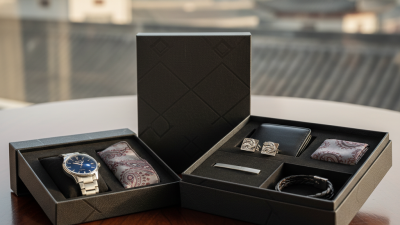
A well-chosen watch, cufflinks, and tie bar can sharpen a suit without making it look rehearsed. A simple watch with a 38–40mm case usually sits neatly beneath a shirt cuff. Match its metal with your belt buckle or cufflinks when possible. Leather straps feel more traditional, while steel bracelets create a cleaner, modern effect. The Federation of the Swiss Watch Industry reported Swiss watch exports of CHF 26.0 billion in 2024, showing that watches remain a significant luxury accessory category.

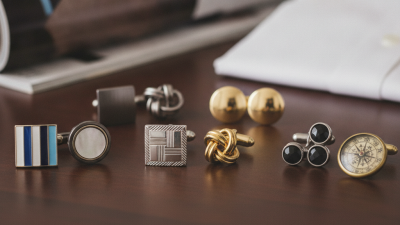
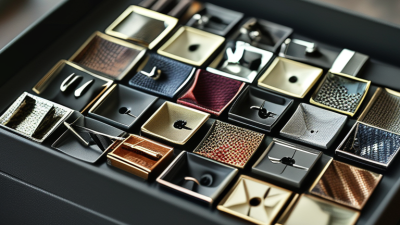
Cufflinks should add quiet detail, not compete with the tie. For formal events, choose a restrained metal finish and a compact shape. French cuffs need enough room for movement, but oversized designs can catch on fabric. A tie bar should sit between the third and fourth shirt buttons. It must secure both the tie and the shirt placket. Deloitte’s Swiss Watch Industry Study 2024 surveyed 75 industry executives, highlighting changing preferences and stronger pressure for practical, versatile products. That idea applies to suit accessories too. I once matched every metal perfectly, yet the outfit still felt cold. Proportion mattered more than coordination.

Tips: Wear one noticeable accessory and keep the others understated. Test the watch with your shirt before leaving. Cufflinks should not extend beyond the cuff. Avoid placing the tie bar too low. These rules help, but personal style sometimes needs a careful exception.

Building a Polished Suit Accessory Combination

Building a polished suit accessory combination starts with proportion, not excess. A white cotton pocket square, a silk tie, and dark leather shoes create a reliable foundation. Keep only one item visually dominant. If the tie has a strong pattern, choose a quieter pocket square. The 2024 Real Weddings Study reports an average U.S. wedding cost of about $33,000, so formal events deserve careful coordination. Yet expensive accessories cannot rescue poor fit.

Match the metal details next. A silver watch case works naturally with silver cuff links and a simple tie bar. Brown shoes usually pair well with a brown belt, while black shoes demand cleaner, sharper contrast. Socks should repeat a color from the tie or pocket square, not compete with them. They should also cover the ankle when seated. Small details matter.

A 2024 fashion industry report found that consumers increasingly value versatility and durability when purchasing clothing. That principle applies to accessories. Choose items that work across office meetings, ceremonies, and evening dinners. I still get this wrong sometimes. Too much coordination can look staged. A slightly uneven detail often feels more personal. Before leaving, check the collar, knot, pocket square, and shoe shine in natural light. A polished combination should appear deliberate from across the room, then reveal restraint up close.

What Are the Best Suit Accessories for Men? - Building a Polished Suit Accessory Combination

Accessory Primary Function Recommended Specification Best Color Approach Formality Level Coordination Tip
Dress Shirt Creates the foundation beneath the jacket. Crisp cotton, properly fitted, with a collar that supports the tie knot. White is the most formal; pale blue offers versatile contrast. High Keep the shirt lighter than the suit for a clean visual structure.
Necktie Adds color, texture, and a vertical focal point. A moderate width that visually relates to the jacket lapel; a four-in-hand or half-Windsor knot suits most occasions. Choose a darker or more saturated tone than the shirt. Medium to High Combine different patterns by varying their scale rather than matching them exactly.
Pocket Square Adds a refined finishing detail to the chest pocket. Lightweight cotton or linen; a simple straight fold is suitable for formal settings. Coordinate with the tie family, but avoid an identical tie-and-square set. Medium to High Use a restrained fold for business and a puff or corner fold for social occasions.
Dress Shoes Completes the silhouette and supports a polished appearance. Well-maintained leather with a shape appropriate to the suit and occasion. Black is most formal; dark brown works well with navy and medium-gray suits. Medium to High Match the shoe color with the belt for a deliberate, cohesive finish.
Dress Belt Provides practical support while visually connecting the outfit. A relatively narrow leather belt with a simple metal buckle. Use the same color family and finish as the shoes. Medium to High Avoid casual textured belts with highly formal suits.
Dress Watch Adds understated detail without overpowering the suit. Slim case, uncluttered dial, and a leather strap for formal wear. Brown or black strap should relate to the shoe and belt color. Medium to High Keep the metal finish consistent with other visible metal details when possible.
Cufflinks Secures French cuffs and introduces a subtle personal detail. Simple, proportionate design reserved for shirts made for cufflinks. Silver-tone metals are versatile; warmer metals suit brown accessories. High Wear them when the occasion calls for elevated formal dressing, not as an everyday requirement.
Socks Bridges the gap between trousers and shoes while adding comfort. Fine-gauge cotton, wool, or a breathable blend with enough length to prevent exposed skin when seated. Match the trousers for a longer leg line, or use a restrained accent color. Medium Avoid athletic white socks with tailored suits.
Tie Bar Keeps the tie aligned and adds a functional accent. A clip that spans roughly half to three-quarters of the tie width. Choose a metal tone that complements the watch and cufflinks. Medium Position it horizontally between the third and fourth shirt buttons; do not angle it.